
Best Cities to Live in Malaysia
May 08, 2026
The question “where should I live in Malaysia?” gets asked constantly, and answered badly just as often. Most comparisons read like tourism brochures — enthusiastic about everywhere, specific about nothing. This guide does the opposite. It tells you what each city is genuinely like, who it suits, and where it falls short. Because choosing wrong can cost you a year of frustration, and choosing right can make Malaysia one of the best decisions you ever made.
Kuala Lumpur — The international city that actually works
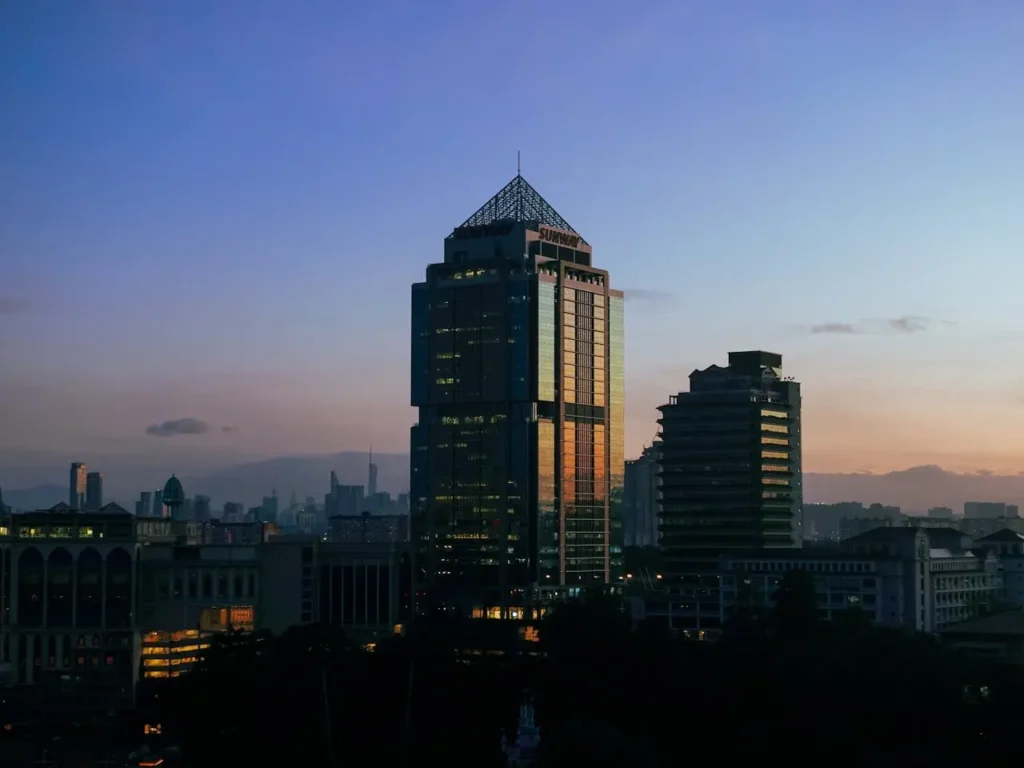
Kuala Lumpur has topped lists for being one of the world’s best cities for expat living. The expat community is large and growing, with foreign nationals now making up 9% of the city’s population. English is widely spoken across the city.
KL is Malaysia’s undisputed economic and cultural capital. It is where the jobs are — the regional headquarters of Shell, HSBC, Accenture, EY, IBM, and hundreds of other multinationals are here. The tech ecosystem is centred in the KL-Selangor corridor. Finance is concentrated in the Golden Triangle. If career is your primary reason for coming to Malaysia, KL is almost certainly where you need to be.
The city is larger and more complex than most newcomers expect. The neighbourhoods that expats gravitate toward each have a distinct character. Mont Kiara — often called expat central — is a planned residential enclave with international schools, Western-style supermarkets, and a social fabric built around the foreign community. It can feel like an international suburb that happens to be in Malaysia, which is either reassuring or claustrophobic depending on your personality. Bangsar is hipper, more mixed, and considerably more interesting — independent restaurants, a creative community, and easy access to both the city and the suburbs. KLCC and Bukit Bintang are for those who want to be in the centre of everything, paying a premium for the privilege.
The honest downsides: traffic is genuinely bad. KL was ranked among the worst cities globally for traffic congestion, and the public transport system, while improving, does not cover the whole city comprehensively. A car is essentially required for anyone living in the outer neighbourhoods or commuting outside the rail corridor. The cost of living is also higher than elsewhere in Malaysia, though still dramatically lower than Singapore or any major Western city.
Best for: Career-focused professionals, families wanting the widest range of international schools, anyone who prioritises access to everything.
Average rent: RM 1,800–4,500/month for a 1-2 bedroom apartment depending on area.
Penang — The city that changes people
Penang has long been a favourite among expats, combining history, culture, and seaside living with a modern lifestyle that is hard to beat. The capital, George Town, is a UNESCO World Heritage site filled with colonial architecture. Just beyond its narrow lanes lie leafy suburbs, sleek condos, and beachside communities.
Penang is where people come for a few months and stay for years. It has a quality of life that is difficult to articulate precisely — a combination of extraordinary food, human scale, physical beauty, and a pace that encourages enjoyment rather than relentless productivity. It is what happens when you take an interesting, historic city, add excellent infrastructure and healthcare, keep the costs low, and surround it with the sea.
George Town itself is a walker’s city of trishaws, street art, temples, and some of the best food in Southeast Asia. The northern beaches at Batu Ferringhi attract those who want the resort lifestyle without the resort pricing. Tanjung Tokong and Tanjung Bungah offer a middle ground — beachside condos with city access. For families, Bayan Lepas near the airport and the southern part of the island offer large apartments and good schools at significantly lower prices than KL.
The job market is diverse with opportunities in tourism, manufacturing, and technology — Penang hosts a high concentration of multinational electronics and semiconductor manufacturers — but it is not as extensive as Kuala Lumpur’s. Many Penang expats are retirees on MM2H visas, remote workers, or people employed by the island’s substantial manufacturing sector. If your job requires an office in KL, Penang becomes a weekend destination rather than a base.
Best for: Retirees, remote workers, digital nomads, families who prioritise lifestyle over career access, anyone who has visited and fallen in love with the place.
Average rent: RM 1,200–2,800/month for a 1-2 bedroom apartment.
Johor Bahru — The pragmatist’s choice
Just across the causeway from Singapore, Johor Bahru has transformed from a sleepy border town into one of Malaysia’s most dynamic hubs. New residential neighbourhoods, shopping malls, international schools, and hospitals have reshaped the city.
JB’s proposition is simple and compelling: you get Singapore’s connectivity at Malaysian prices. Thousands of Singaporeans and Singapore-based professionals already live here and commute daily across the Johor-Singapore Causeway. When the RTS Link rail connection opens — connecting JB’s Bukit Chagar to Singapore’s Woodlands North — the commute will become dramatically more manageable.
You can rent modern, well-equipped apartments in central JB for RM 1,600–1,900 per month — a fraction of anything comparable in Singapore. The saving on accommodation alone makes the daily commute economical for many households. Add in lower food, transport, and childcare costs, and the financial case becomes compelling even accounting for commute time.
JB is also growing as a standalone destination. The Iskandar Malaysia economic zone has driven significant infrastructure and business development, making it increasingly viable for professionals who work locally rather than commuting. Family-friendly infrastructure — international schools, Legoland, a growing restaurant scene — makes it work for those with children.
The honest caveat: public transport within JB is limited. A car is essentially non-negotiable here, and the commute during peak border crossing times requires careful planning. The social scene and nightlife lag behind KL and Penang.
Best for: Singapore-employed professionals who want Malaysian costs, families who need Singapore’s schools or job market but cannot afford Singapore’s rents, those who value space and newer infrastructure.
Average rent: RM 1,600–2,500/month for a 2-bedroom apartment.
Kota Kinabalu — For those who want something completely different
Kota Kinabalu is not for everyone. It is for people who have consciously chosen a different kind of life — one measured in sunsets over the South China Sea, weekends diving at some of the world’s best reefs, and a pace that bears no resemblance to any capital city.
KK offers adventure lifestyle living — scuba diving, trekking, and wildlife exploration — with a warm and friendly local community and a growing expat presence. The cost of living is lower than KL or Penang, the natural environment is extraordinary, and the sense of being somewhere genuinely different from the global expat trail is real.
The practical limitations are also real. The job market is limited, concentrated in oil and gas, tourism, and the public sector. Healthcare, while improving, does not match KL or Penang for specialist coverage. International school options exist but are fewer and smaller. Getting in and out of Borneo requires flying, which adds to travel costs and complexity.
For retirees on MM2H visas, remote workers with solid income, or anyone in oil and gas with regional operations, KK delivers a quality of life that would be genuinely difficult to replicate elsewhere in Asia.
Best for: Retirees, nature-focused remote workers, oil and gas professionals, anyone consciously choosing lifestyle over career access.
Average rent: RM 1,200–2,200/month for a decent 1-2 bedroom apartment.
Other honourable mentions
Ipoh is emerging as a favourite for those who want Malaysia’s charm without its cost or pace. Colonial architecture, extraordinary food (the white coffee and bean sprout chicken are not hype), cave temples, and rents that would seem impossible in KL. Limited job market beyond small business and remote work.
Putrajaya / Cyberjaya is purpose-built, well-infrastructure, and genuinely affordable. Popular with tech workers based at the many multinationals in Cyberjaya. Sterile in atmosphere but functional for families.
George Town, Penang overlaps with Penang above but deserves its own mention as a walkable, heritage city with a community feel that is absent from KL.
The decision framework
Choose KL if career matters most and you want the full metropolitan experience.
Choose Penang if lifestyle, food, and physical beauty matter as much as career, and you have flexibility in how you earn.
Choose Johor Bahru if you are working in Singapore and want to escape its cost without losing its opportunity.
Choose Kota Kinabalu if you are done with city life and want something genuinely different at a price that makes the trade-off easy.
Every city in Malaysia works. The difference is which trade-offs you are willing to make.
Start Your Malaysia Journey
Get Connected with the Right Expert
Tell us what you’re planning — work, business, or relocation — and we’ll match you with a trusted consultant who can guide your next steps with clarity and confidence.
Recently Added