
Digital Nomad in Malaysia
The Digital Nomad Base That Actually Makes Sense
Fast internet. Incredible food. English spoken everywhere. A city that is genuinely affordable without feeling cheap. And now a legal visa specifically designed for remote workers. Malaysia has been hiding in plain sight as one of the world's best nomad destinations and the secret is out.
What you get
Internet speed
100–500 Mbps average in KL apartments
Weather
Warm and sunny year-round
Flight connectivity
Direct to 60+ cities across Asia and beyond
Legal stay
Up to 24 months on DE Rantau
Monthly living cost
RM 2,500–3,500 for a comfortable lifestyle
Co-working cost
From RM 25/day or RM 400/month
Food budget
RM 6–12 per hawker meal
RM 2,500–3,500monthly cost of a great nomad lifestyle in KL
Top 3Malaysia's consistent ranking in global nomad cost surveys
100+ Mbpsaverage fibre broadband speed in Kuala Lumpur
12 monthslegal stay on the DE Rantau Nomad Pass
Why remote workers choose Malaysia
Everything you need. Nothing you don't.
Digital nomads have been discovering Malaysia for years — often accidentally, on a trip to Thailand or Bali, stopping in KL for a few days and staying for months. Here is what keeps them.
Internet that actually works
Malaysia has some of the fastest and most affordable internet in Southeast Asia. Fibre broadband in KL apartments runs at 100–500 Mbps and costs RM 80–120 per month. Co-working spaces across Mont Kiara, TTDI, Bangsar, and Bukit Bintang have reliable gigabit connections. Video calls, uploads, cloud work — all of it works without frustration.
The food is genuinely extraordinary
This is not a tourism-brochure claim. Malaysia's food culture — shaped by Malay, Chinese, Indian, and Peranakan traditions — is one of the richest in the world. Hawker meals cost RM 6–12. A sit-down dinner at a good restaurant costs RM 40–80. You eat exceptionally well on a modest budget and never get bored.
Affordability without sacrifice
A central one-bedroom apartment costs RM 1,800–2,800/month. Grab rides across the city cost RM 8–15. A gym membership is RM 100–200. The cost of a comfortable, sociable nomad lifestyle in KL is roughly USD 1,000–1,500/month — far below Bali, Bangkok, or any European city with comparable quality of life.
English everywhere
Unlike Japan, Korea, or much of continental Europe, Malaysia operates in English. Menus, signage, government services, customer support, and everyday conversations in shops and restaurants — all in English. There is no language friction. You land and function immediately.
A city with actual depth
Kuala Lumpur is not a resort — it is a real, complex, interesting city. World-class museums, architecture, arts venues, hiking trails 20 minutes from the city centre, night markets, independent coffee shops, jazz bars, and a genuine local creative scene. After a month you are still discovering things.
Weather that costs nothing to enjoy
Warm, tropical, and consistent year-round. No winter gear to pack, no heating bills to pay, no seasonal depression to manage. Malaysia sits just above the equator — which means genuinely pleasant outdoor weather almost every day.
Where to base yourself
Kuala Lumpur's best neighbourhoods for remote workers
Mont Kiara
The go-to expat enclave — international schools, Western-style supermarkets, a large co-working scene, and a social community of long-term foreign residents. Slightly higher rents (RM 2,500–4,000 for a 1-bed) but maximal convenience and English everywhere.
TTDI (Taman Tun Dr Ismail)
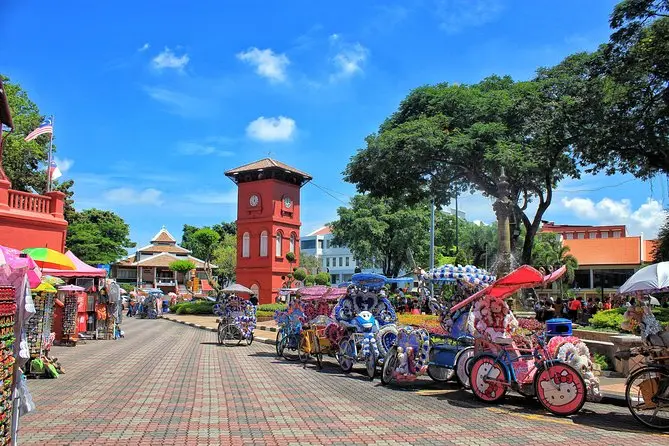
Quieter, greener, and beloved by those who discover it. Excellent food scene, weekly night market, and a strong neighbourhood community. Slightly off the tourist trail but popular with long-term nomad residents. Great value rents from RM 1,500.
Bukit Bintang / KLCC
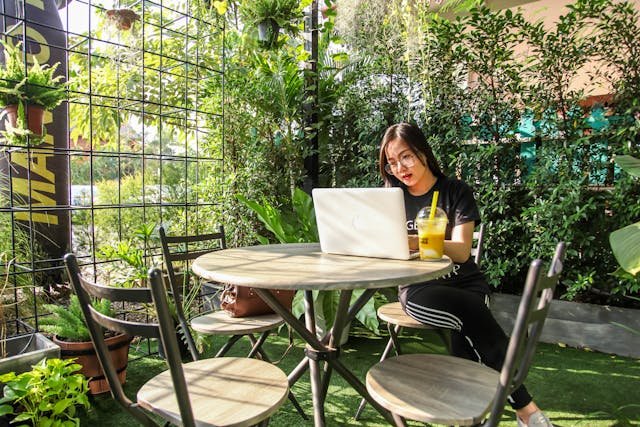
For those who want to be in the centre of everything — shopping, restaurants, nightlife, and major co-working spaces all within walking distance. Rents are higher but transport costs are minimal. Good for shorter stays.
Penang (George Town)
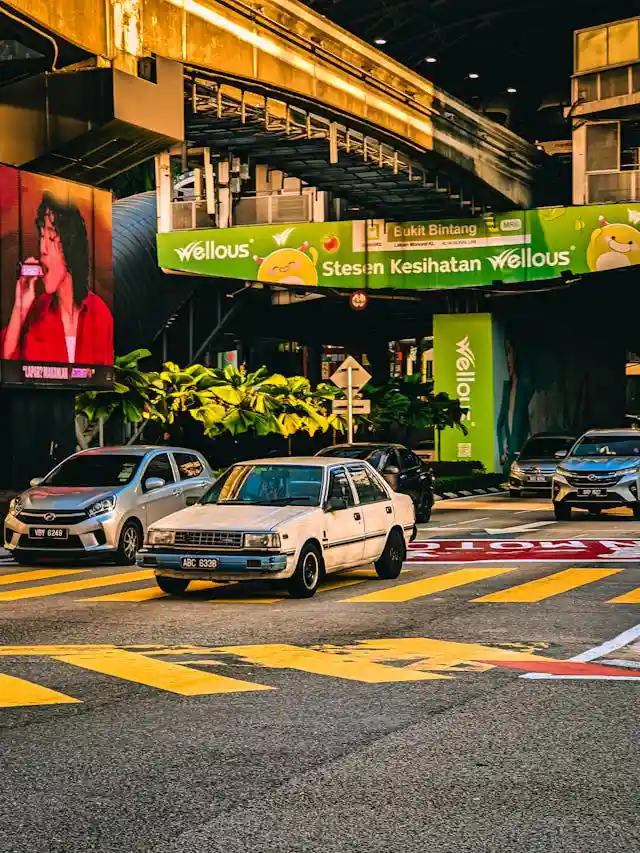
For nomads who want a slower pace — George Town offers a UNESCO heritage city, excellent food, beach access 30 minutes away, and a growing co-working scene at significantly lower costs than KL. Rents from RM 1,200. A two-hour flight from KL or a 4-hour drive.
Where to work
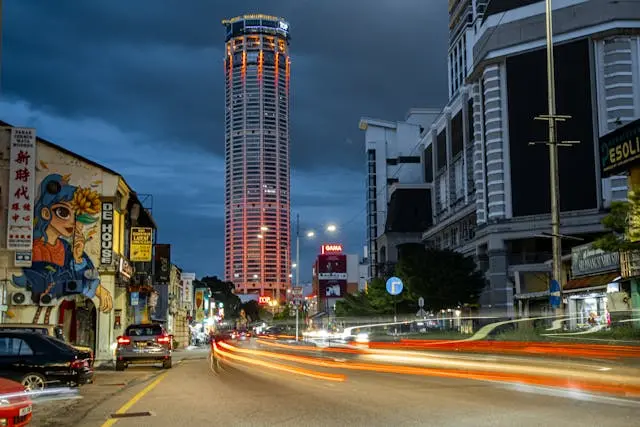
Kuala Lumpur's best co-working spaces for remote workers
Space
Location
Price from
Colony
Multiple (KLCC, Star Boulevard)
RM 35/day
Common Ground
TTDI, Bangsar South
RM 30/day
WORQ
Uptown Damansara, TTDI
RM 25/day
Spaces
Multiple KL locations
RM 40/day
Selangor Science Park
Cyberjaya
RM 20/day
How it works
From application to landing in Kuala Lumpur
Check your eligibility
You need to earn at least USD 24,000 per year from remote work for clients or employers outside Malaysia, have 12+ months of professional experience, and work in a digital or tech-adjacent field. Most remote professionals qualify.
Prepare your documents
Employment letter or freelance contracts, bank statements showing income, CV, passport copy, criminal record certificate, and health insurance documentation. Our advisors provide a complete checklist for your specific situation.
Submit through MaGIC portal
The DE Rantau application is submitted online to MaGIC. It can be done entirely from your home country. Processing typically takes 4–8 weeks.
Receive approval and fly to Kuala Lumpur
On approval you receive your DE Rantau approval letter and book your flight. Complete the visa sticker process on arrival and your 12-month stay begins from your entry date.
Frequently asked questions
Living as a digital nomad in Malaysia — common questions
Is KL really as good as people say for nomads?
Consistently yes. Kuala Lumpur appears in the top rankings for digital nomad destinations, scoring highly on cost of living, internet quality, food, and English proficiency. Most visitors find the experience exceeds expectations.
Can I visit Malaysia without the DE Rantau visa first to check it out?
Yes, and it is recommended. Most nationalities receive 30 or 90-day visa-free entry or visa-on-arrival. You can explore Kuala Lumpur, Penang, and other cities before deciding. Many visitors apply for the DE Rantau visa after experiencing the country firsthand.
Is Malaysia safe for solo nomads including women?
Malaysia is considered one of the safer countries in Southeast Asia. Kuala Lumpur is a large city where normal precautions apply, but it generally offers a safe environment. The solo female nomad community is active and well-established.
How does Malaysia compare to Bali, Chiang Mai, or Lisbon?
Malaysia offers strong infrastructure, reliable high-speed internet, and lower living costs compared to Lisbon. It provides a more structured and legal long-stay option than Bali, and a larger, more developed environment than Chiang Mai. It also has a dedicated digital nomad visa, unlike many other destinations in Southeast Asia.
What is the DE Rantau community like in KL?
The community is active and growing. There are regular networking events, online groups, and co-working communities. It is common for newcomers to build a strong social network within a short period after arriving.
Can I extend my stay beyond 12 months?
Yes. The DE Rantau visa can typically be renewed once, allowing for a stay of up to around 24 months. After that, other visa pathways such as business or employment-based options may be considered.
Ready to make Malaysia your base?
The DE Rantau visa is your legal pathway to staying longer.
Malaysia's DE Rantau Nomad Pass lets remote workers and freelancers live in Malaysia legally for up to 12 months. Tell us about your work situation and we'll connect you with a verified advisor who can handle your application.